
Human Centric Lighting
Experiencing natural light
Each person is unique. At the same time, we have a lot in common. One element that connects us all is light. Because wherever we live and whatever we do, hundreds of thousands of years of evolution have determined our natural rhythm of day and night, summer and winter.
We need light to see – it conveys information and stimulates emotions. But light also has a direct effect on the body, our internal clock and therefore on the quality of our sleep, our well-being and health. For these non-visual effects of light, the eye has special sensory cells containing the colour pigment melanopsin. These cells were only detected in humans at the beginning of this millennium.
Human Centric Lighting (HCL) means putting this growing knowledge about people and their nature at the centre of lighting design – with integrative, smart and well-planned lighting solutions. HCL takes into account our visual and emotional needs as well as our biological ones. The lighting can be automated, and also conveniently adapted to moods, situations and individual requirements.
TRILUX offers technology and expertise for HCL lighting solutions from a single source: adaptive, multifunctional luminaires, intelligent light management systems, comprehensive advice, lighting design and services. Our HCL solutions are flexible and are open to changes in utilisation, individuality and scientific progress. An investment in people and their potential.
Bright, daylight white, planar – lighting qualities that stimulate and activate
Subdued, warm white, selective – how light helps the body to relax.
The right light at the right time supports e.g. biological rhythms, sleep quality and our alertness as well as promoting regeneration.
Human Centric Lighting can have positive effects on our well-being and mood – and is beneficial in certification programmes such as WELL

The TRILUX philosophy of light
14 aspects for good light
For us, good light brings together outstanding quality of light, high usability and ecological and economic sustainability. Whether indoors or for urban outdoor spaces – we develop lighting solutions that are functionally convincing, bring rooms to life, provide orientation and enhance well-being.
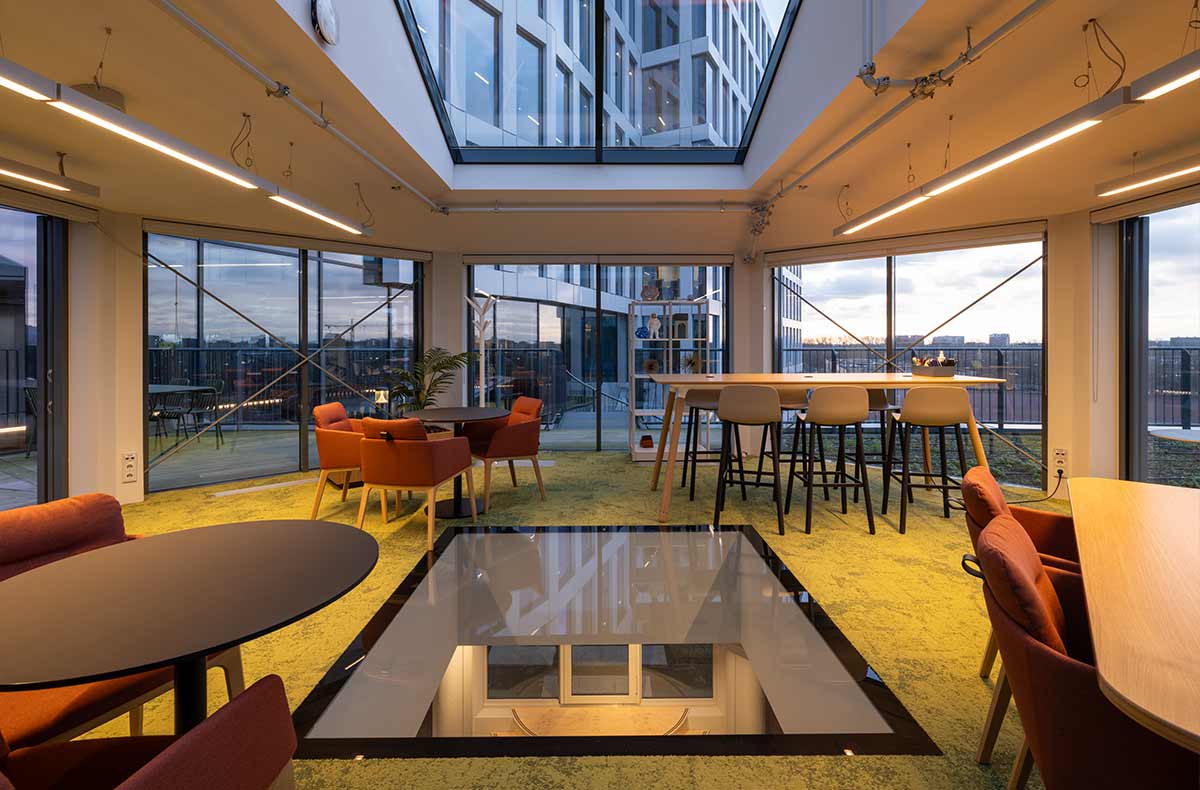
Office
Dynamic light for office landscapes
Human Centric Lighting brings the qualities of natural daylight into the office – dynamic, individual and healthy:
- Adaptation of the spectral composition and brightness level of the light to the course of the day
- Strengthening of the biological rhythm
- Promotion of concentration, creativity and well-being in the workplace
Thanks to flexible lighting control and integral lighting design, brightness and colour temperature can be individually adapted to age, visual acuity and work task. In this way, HCL creates optimum conditions for modern, agile office environments – anywhere, anytime.

Industry
Good light, shift for shift
Little daylight, shift work and demanding visual tasks – Human Centric Lighting has particular potential in situations with challenging basic conditions:
- More safety and well-being in the workplace
- More productive and satisfied employees
- Support for the health of employees
- Positive effect on sleep duration
TRILUX offers an extensive portfolio of luminaires for all areas in industry – and with its LiveLink light management system also the appropriate HCL control system. We advise industrial customers individually, taking into account scientific findings from current studies on the non-visual effects of light on shift workers.
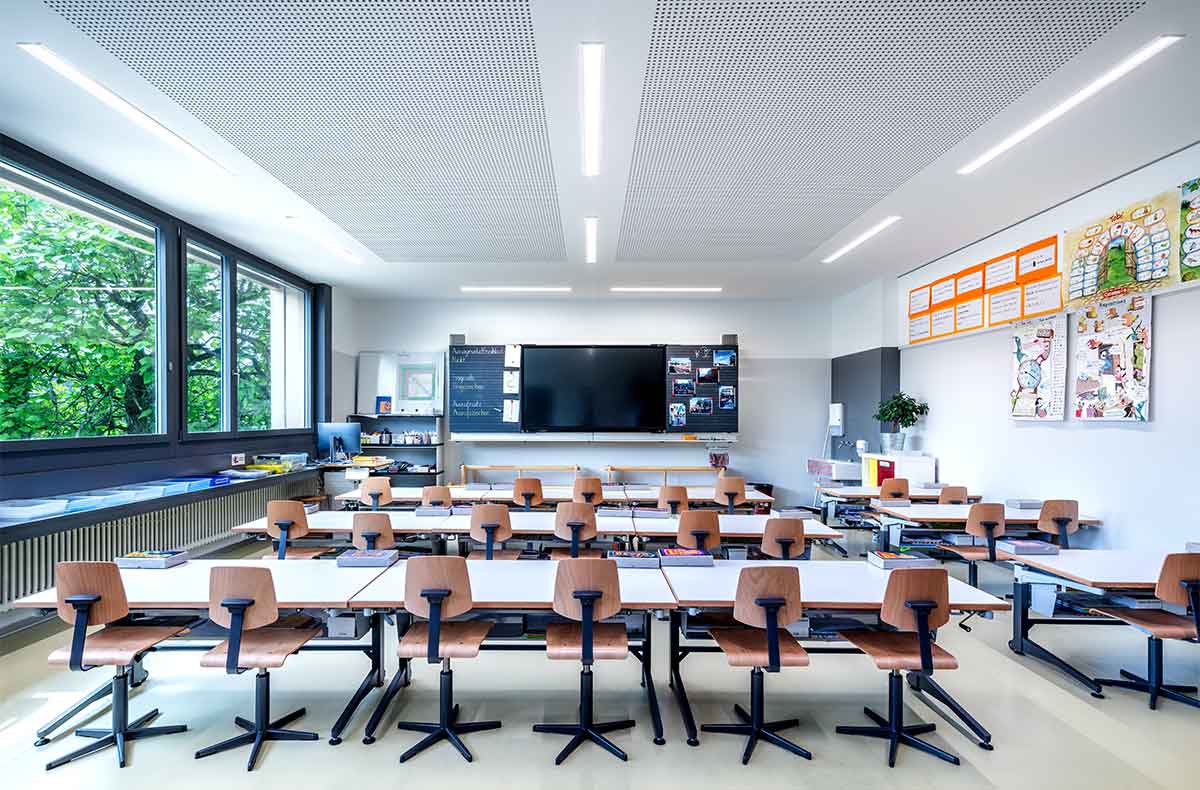
Education
Light with top marks
Children and young people today are exposed to a wide range of environmental stimuli. Good learning environments support concentration and focus. Modern Human Centric Lighting (HCL) lighting solutions in educational establishments help with this:
- Dynamic matching of light intensity and light colour
- Specific lighting scenarios for different requirements
- Better balance between activation (e.g. at the start of a lesson) and relaxation
- Mapping of the natural course of daylight
The advantage for school authorities: from professional lighting consultations and optimum product selections to intelligent light control, TRILUX supplies all elements of the HCL system from a single source.
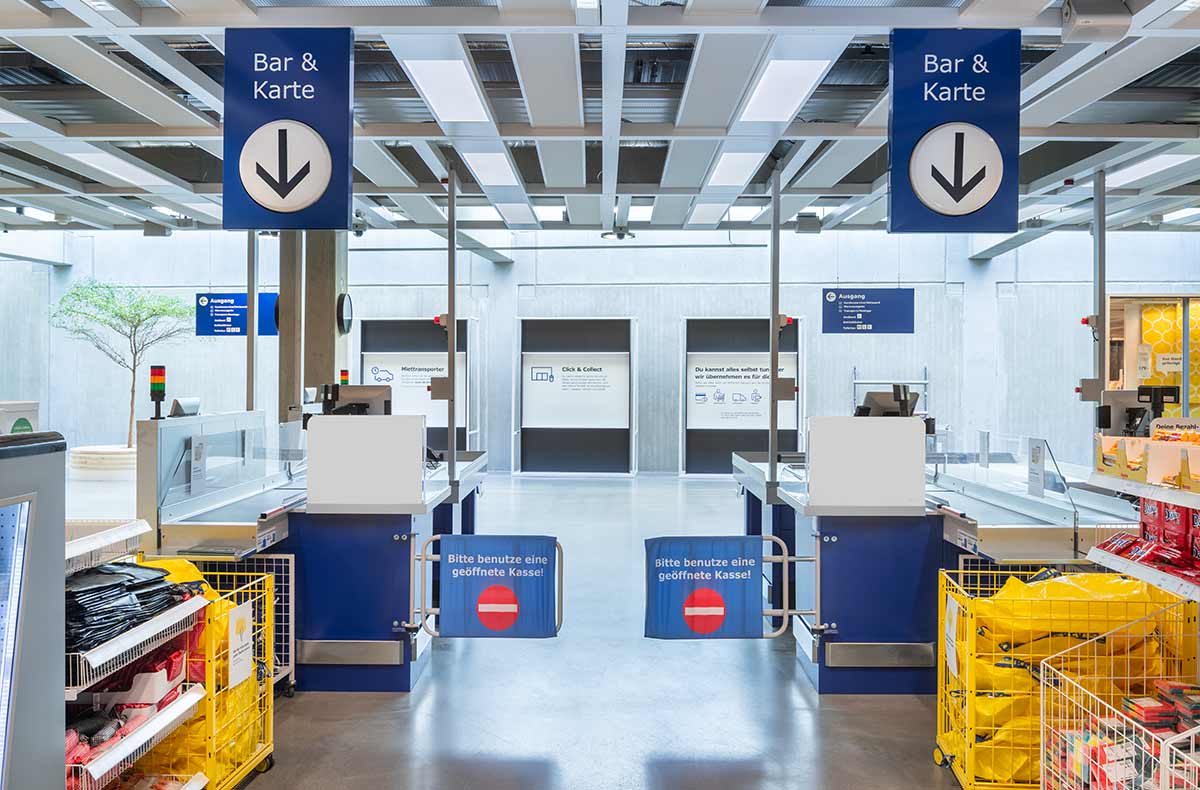
Retail
Experience, emotion and well-being
Human Centric Lighting can also create a more natural ambience and a greater sense of well-being in the retail sector. This applies both to customers, who stay and browse in a pleasant, inviting atmosphere, and especially to employees, who spend their entire working day in the retail spaces. The use of HCL is therefore recommended in areas such as:
- Checkout areas
- Service counters
- Catering
- Lounges
Thanks to state-of-the-art sensor technology, daylight and artificial light synchronise automatically – for an optimum balance with less energy consumption.
-
Inspirations
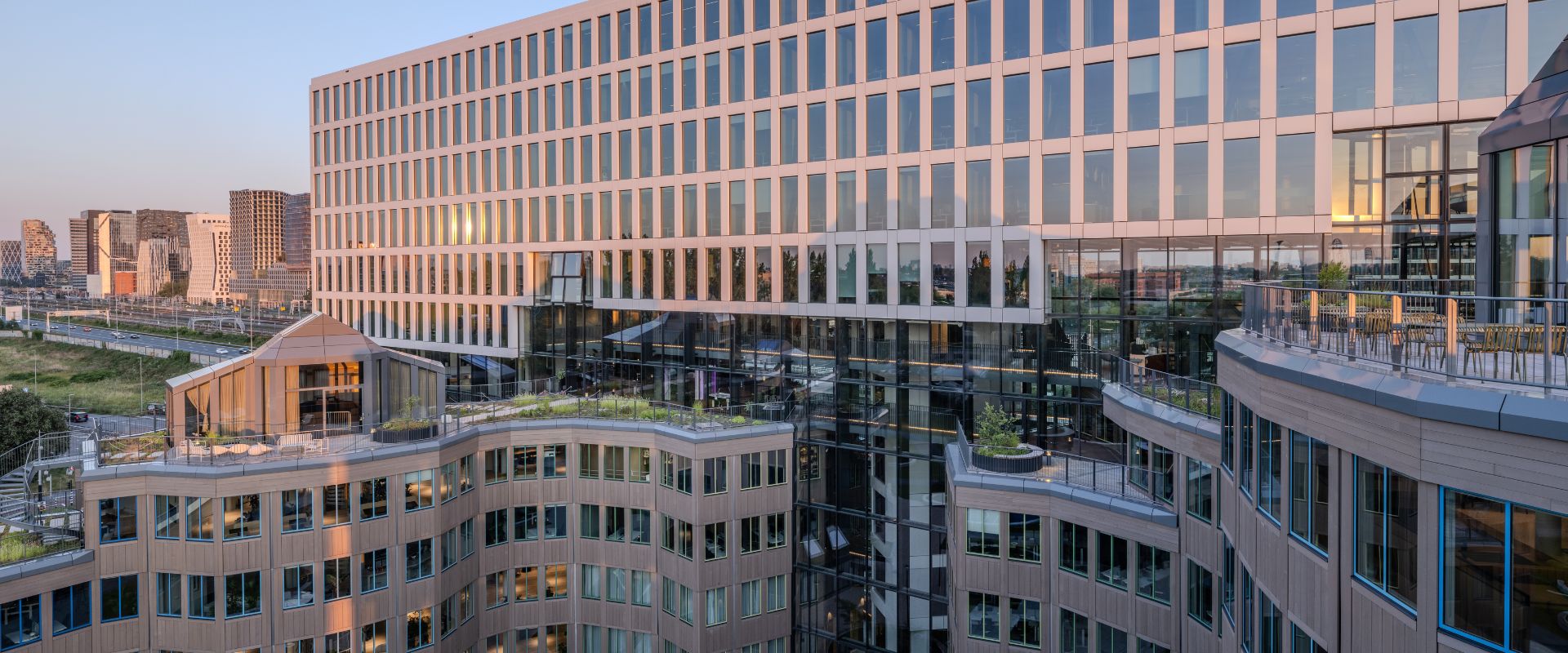 TRIPOLIS Park AmsterdamAs a full-service provider, TRILUX delivered the interior and exterior lighting for TRIPOLIS Park, featuring 13,000 light points, smart networked light, HCL and much more.
 -
Inspirations
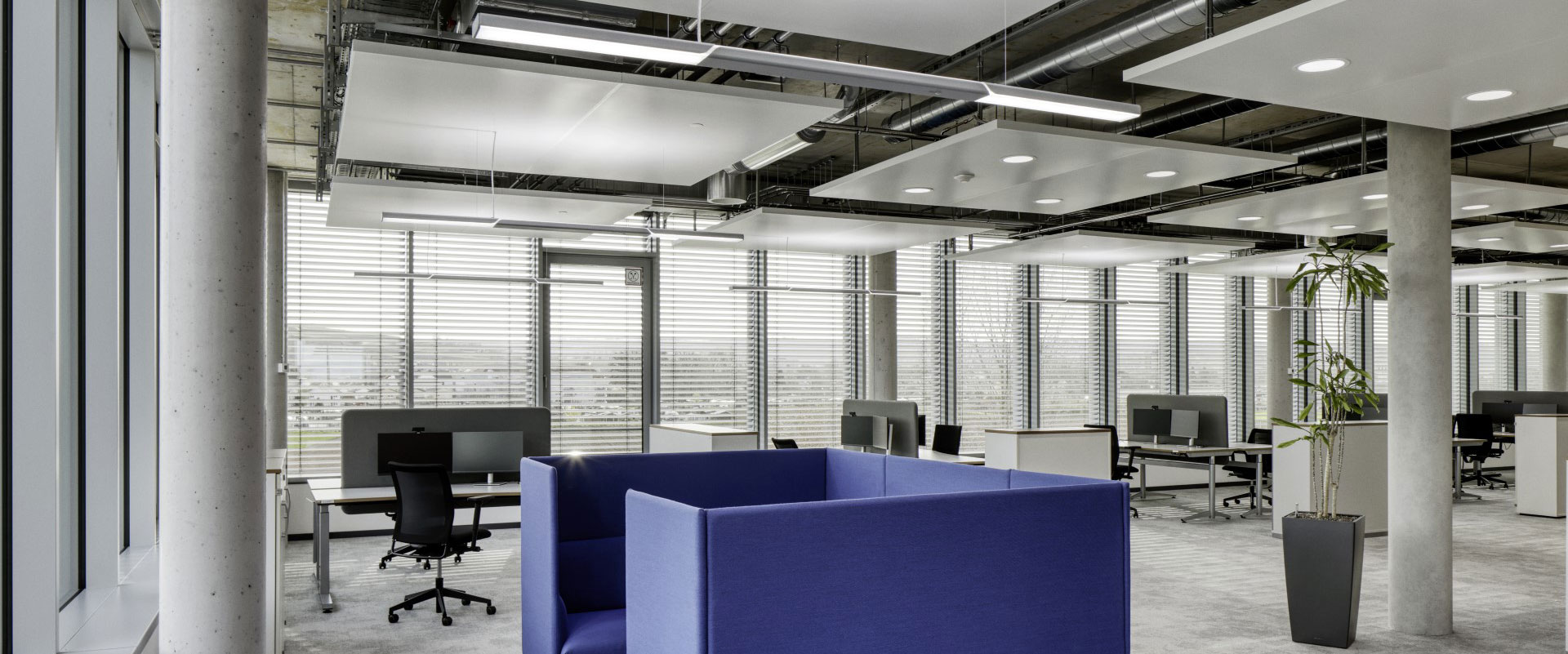 Lighting and sun protection make common causeZehnder relies on Wellumic light management system from TRILUX and WAREMA in the "Center of Climate
 -
Inspirations
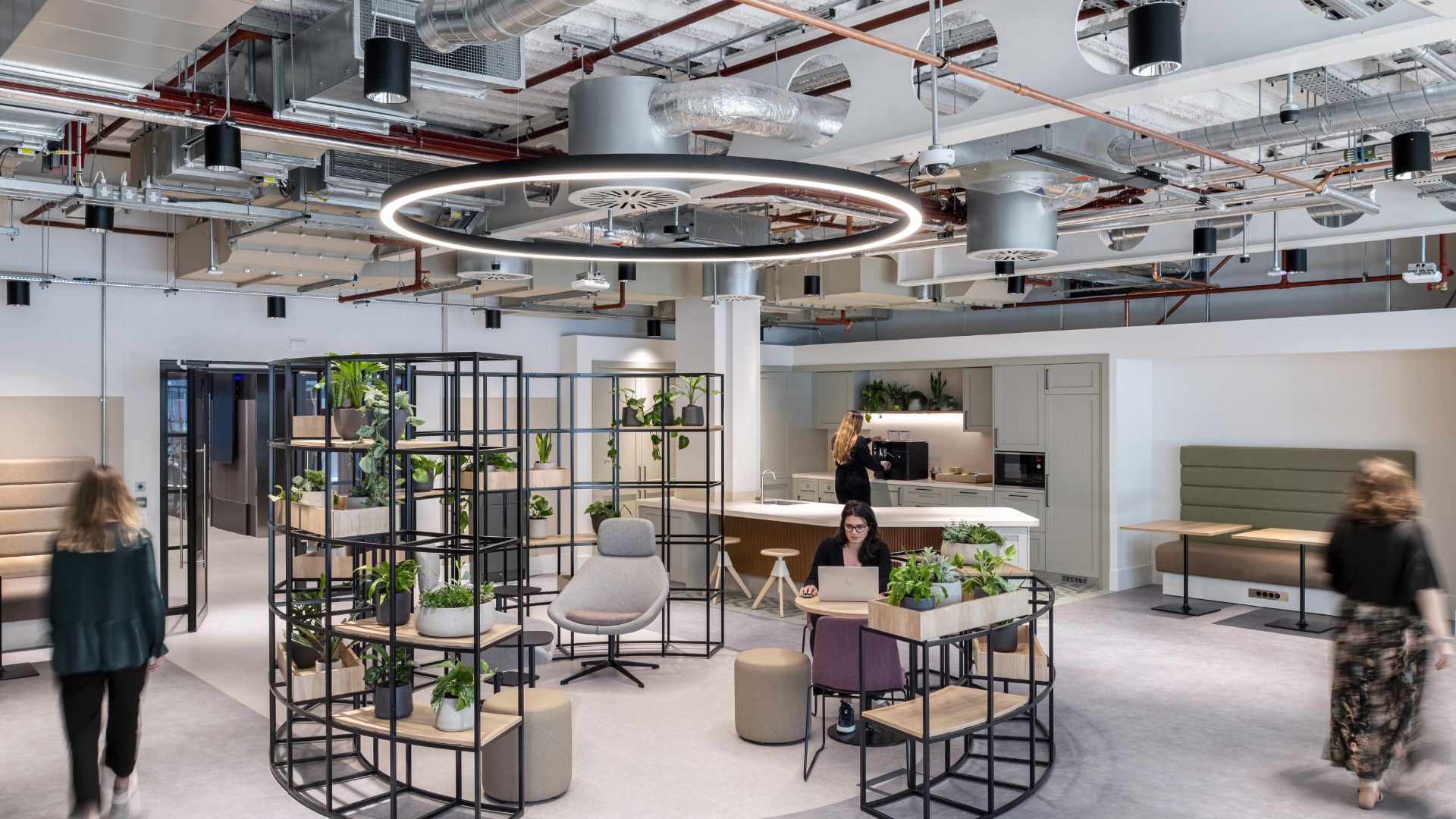 Have a great ComebackWhat can be done to ensure that employees in post-pandemic London are happy to switch from working from home to the office again?
-
 Consulting
Human Centric Lighting is not a stand-alone product, but a holistic lighting concept. We advise and support you in your project – from planning and commissioning to maintenance during operation
-
 Luminaires
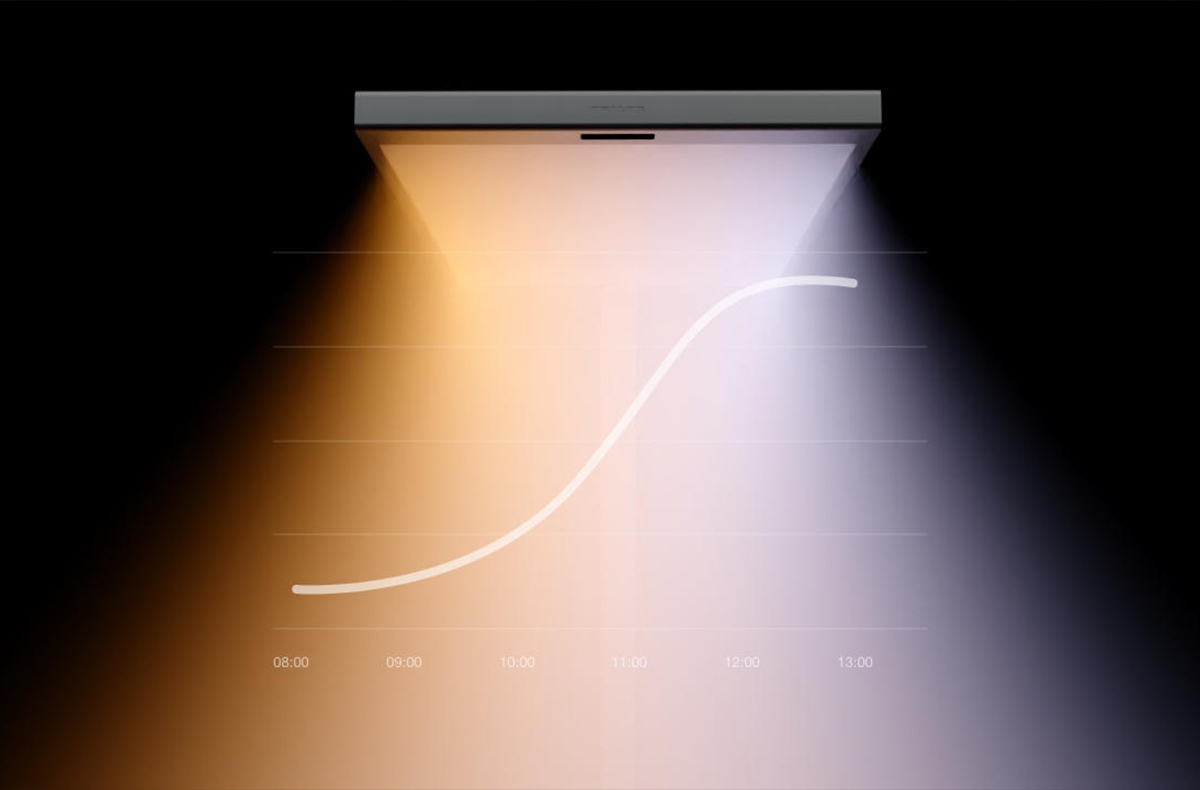
TRILUX offers an extensive portfolio of suitable luminaires, notably with controllable light colour, for implementing HCL concepts.
-
 Light management
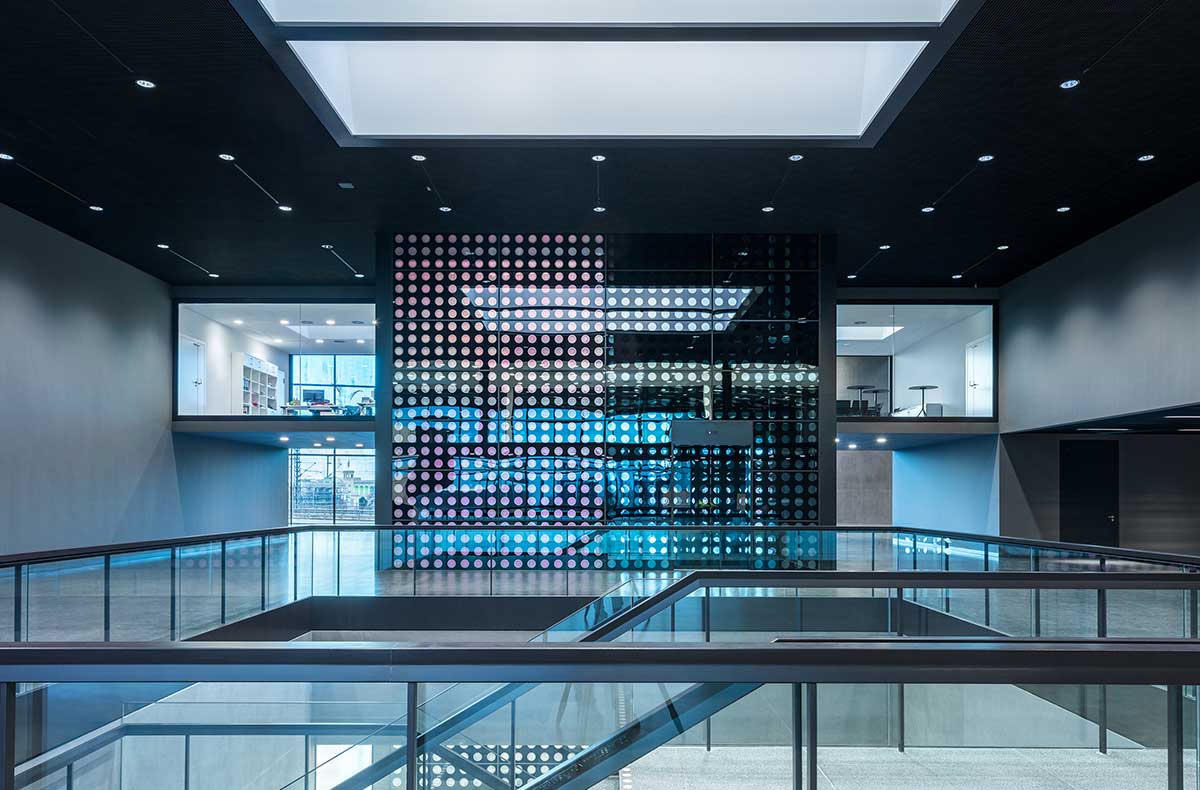
Intelligent light management allows programmed sequences, for example for circadian light, as well as sensor-controlled automatic systems and manual interventions
Light that is incident vertically from above. It therefore resembles natural midday light when the sun is at the highest point (zenith) of its orbit.
Of Latin origin (‘resembling the course of day’), describes dynamic light that follows the natural course of daylight regarding its intensity, direction and light colour, from dawn to midday light to dusk.
An attribute for luminaires that can change their light colour under digital control, usually infinitely variable from warm white to daylight white
Light-sensitive pigment in the retinal ganglion cells. This spectrum of action describes the non-visual effects of light on the eye, with maximum sensitivity at approx. 490 nm.